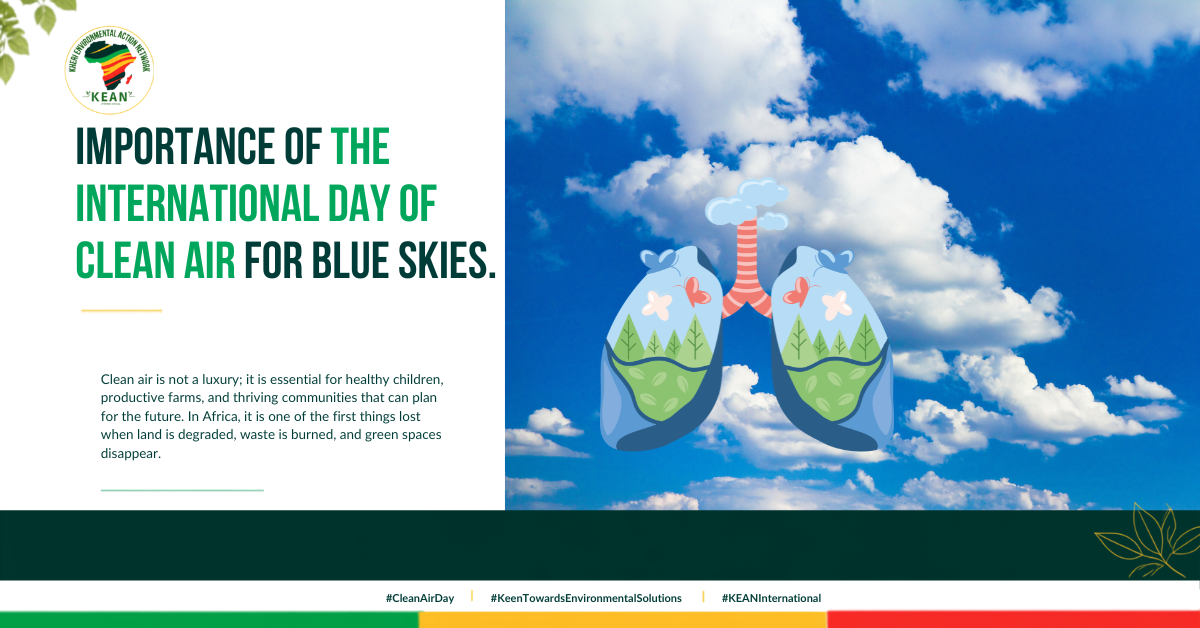

Today marks the International Day of Clean Air for Blue Skies, a timely opportunity to highlight the significance of clean air and its impact on various facets of life.
The Crucial Role of Air Quality
While air quality issues often receive less media attention than natural disasters or agricultural failures, it plays a crucial role in the overall health and well-being of communities. Poor air quality affects the health of children in densely populated areas, diminishes farm productivity, and limits a community’s capacity for long-term planning. When air quality declines, clinics experience increased patient volumes, school attendance decreases, and families find their finances strained by healthcare costs rather than being allocated toward necessities like food or education.
Policy Decisions and Environmental Challenges
In many regions of Africa, the challenges posed by poor air quality are not accidental but rather a direct consequence of policy decisions made elsewhere. Deforestation leads to increased dust in the atmosphere, while non-recyclable waste is often imported and burned openly due to inadequate waste management systems. Rapid urbanization leads to the loss of green spaces faster than they can be replaced. Each of these issues results from choices that can be addressed and reversed through appropriate policy interventions.
The Need for an Integrated Approach
The need for an integrated approach is clear. The interconnections between air quality, land health, water quality, and livelihoods cannot be viewed in isolation. For example, rejuvenating a woodlot can stabilize soil and mitigate dust pollution, while a functional waste management system can eliminate the necessity for open burning. Additionally, preserving wetlands contributes to urban cooling and acts as a natural filter for river systems. Addressing one component of this system can generate benefits across all areas.
Unifying Climate and Environmental Initiatives
Our mission reflects this interconnectedness, as we aim to unify climate and environmental initiatives throughout Africa and beyond. While numerous commendable efforts are underway, a significant gap exists in linking different stakeholders. Farmers restoring their land, researchers analyzing data, emerging leaders participating in discussions, and policymakers making funding decisions are often working on parallel tracks without collaboration.
Upcoming Highlights
Throughout this month, we will explore various aspects of our work:
- Bustani Gardens : We will showcase communities that have transformed degraded land into productive food gardens, highlighting successful September harvests.
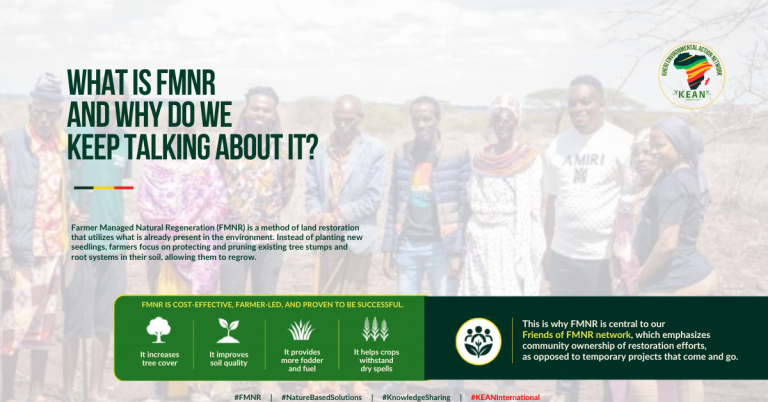
- Farmer Managed Natural Regeneration : We will discuss the central method of our Friends of FMNR network, illustrating its effectiveness despite minimal planting.
- Spotlighting Dedicated Individuals : We will introduce the dedicated individuals behind our programs, emphasizing the vital role of perseverance in achieving our objectives.
- Addressing Policy Issues : We will candidly address ongoing campaigns, such as #AfrikaIsNotADumpster, which highlight the importation of waste from affluent nations disguised as trade or aid.
- Afrika Youth Caravan : We will follow the Afrika Youth Caravan as we prepare the next group of young leaders for international climate negotiations, ensuring that voices most affected by climate decisions are represented.
Ongoing Responsibility
It’s important to note that this work is ongoing, and progress may be slow. However, it is essential to recognize that clean air, healthy soil, and vibrant rivers are responsibilities that belong to everyone. They should be viewed as standards that we strive to uphold, and concrete efforts to achieve these standards are already taking place in communities across the continent.
Conclusion
This month, we will highlight the efforts being made to create a healthier environment for all.