
Why Water Conservation Matters in Kenya
Water serves as the essential foundation of life, yet it is a significantly limited resource in Kenya. The World Bank classifies Kenya as a water-scarce nation, with less than 600 cubic meters of renewable freshwater available per person annually, well below the global benchmark of 1,000 cubic meters. This scarcity is exacerbated by factors such as climate change, rapid urbanization, and inadequate water governance.
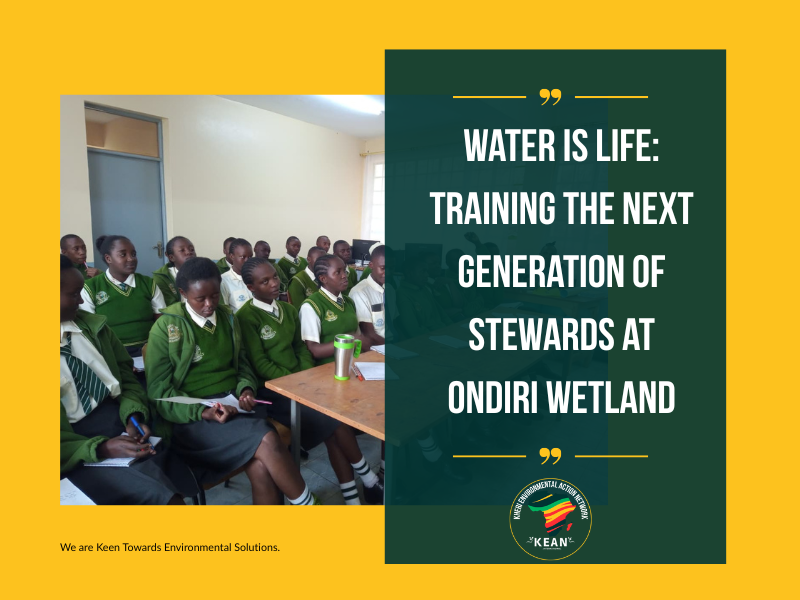
In this context, wetlands like the Ondiri Wetland in Kikuyu, Kiambu County, are of paramount importance. Ondiri Wetland is recognized as Kenya’s only intact quaking wetland and is directly connected to Nairobi’s water table. This makes it a vital ecosystem for millions of residents. However, the wetland is currently under threat from pollution, agricultural encroachment and over-extraction of resources.
In response to the pressing need to protect such essential ecosystems, Friends of Ondiri Wetland Kenya (FOWK) has initiated the Water Conservation for Sustainability Project. This project is supported by various organizations, including the Thirst Foundation, INUKA Afrika, KEAN International and the RUNBLUE campaign. Together, these groups aim to promote water conservation education, especially targeting young people, who will play a crucial role in shaping Kenya’s water future.
Project Objectives: Building Knowledge, Inspiring Change
The Water Conservation for Sustainability Project is structured around three interconnected objectives aimed at promoting effective water management.
1. Student Knowledge : The initiative seeks to provide learners with both practical skills and scientific insights into water conservation, highlighting the ecological significance of the Ondiri Wetland.
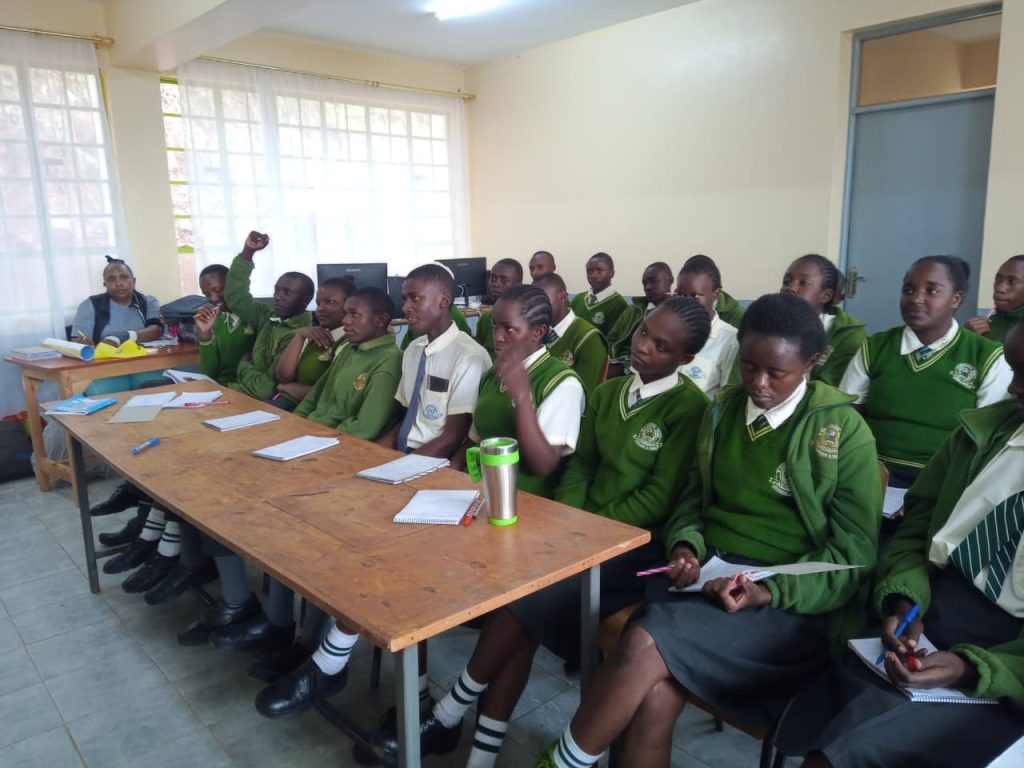
2. Behavioural Change : The project aims to motivate students to embrace sustainable practices by engaging them in interactive training sessions, debates, and field trips that foster a hands-on learning experience.
3. Youth Stewardship : A key focus is on developing young leaders who can advocate for sustainable water usage within their schools and communities.
By addressing these objectives, the project not only raises awareness but also creates tangible impacts, empowering students to become water ambassadors in their local areas.
Key Activities in Schools
The project is being implemented across three partner schools, with Kamangu High School being one of them. The activities are designed to create a balanced approach between classroom education and practical, real-world applications.
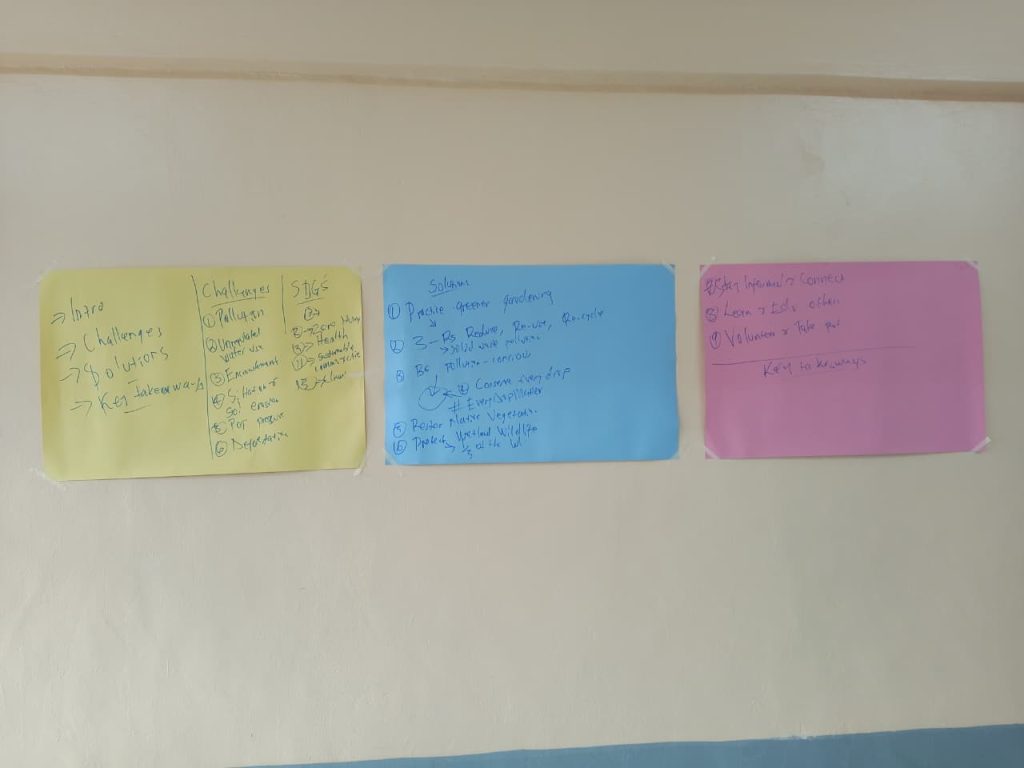
Weekly Training Sessions: Students participate in discussions focused on the importance of water, contrasting concepts of scarcity and abundance, and exploring the various threats to local freshwater ecosystems.
Debates & Critical Thinking: The program includes facilitated debates that encourage students to challenge one another’s viewpoints. This process enhances their critical thinking skills and deepens their understanding of conservation issues.
Field Visit to Ondiri Wetland: Students have the opportunity for experiential learning by visiting the Ondiri Wetland, which helps them connect theoretical concepts to actual environmental contexts, allowing for a clearer understanding of the implications involved.
Student Pledges: Each participant is encouraged to document a personal pledge for water stewardship, which signifies their commitment to taking actionable steps toward conservation.
This comprehensive approach, combining knowledge transfer, engaging debates, hands-on fieldwork and personal accountability, ensures that students develop sustainable habits concerning water conservation.
Workshop Highlights at Kamangu High School
The workshops conducted at Kamangu High School offer valuable insights into the impact of the educational project.
In Workshop 1, students were presented with a comprehensive overview of the global, Kenyan and local issues related to water scarcity. They learned that although 70% of the Earth’s surface is covered by water, a mere 3% is freshwater, and less than 1% is accessible for human consumption. This crucial information emphasized the importance of conservation and the need to make every drop count.
Workshop 2 focused specifically on the Ondiri Wetland. Students examined the various challenges confronting the wetland, including waste dumping, invasive agricultural practices, and the depletion of groundwater resources. They collaboratively developed practical solutions that could be adopted by both the school and individuals, such as minimizing water wastage, safeguarding catchment areas, and initiating peer-led awareness campaigns.
By the conclusion of Workshop 2, students not only understood the threats to the wetland but also felt empowered to create actionable solutions within their own communities.
Expected Outcomes
The Water Conservation for Sustainability Project is designed to achieve several key outcomes aimed at promoting sustainable water use. The project intends to train over 90 students across three different schools, enhancing their understanding of water conservation. Students will benefit from experiential learning through organized visits to wetlands and participation in debates, which will further cement their learning outcomes.
Additionally, the project seeks to encourage greater youth-led advocacy for sustainable water practices within their communities. To track individual commitments, student pledges regarding water conservation will be documented. Furthermore, the initiative aims to foster greater teacher involvement by integrating water conservation topics into school curricula.
These outcomes are expected to create a ripple effect that extends beyond the classroom, positively influencing peers, families, and the wider community regarding sustainable water use practices.
The Link to #BustaniGardens
KEAN International is excited to connect its current project with its flagship initiative, #BustaniGardens. This collaboration emphasizes the importance of workshops that aim to enhance knowledge and promote behavioral changes within communities.
The #BustaniGardens initiative incorporates water-efficient gardening techniques in educational settings, specifically in schools and local communities. Through practices such as rainwater harvesting, mulching, and drip irrigation, students are engaged in growing food while also learning essential water conservation methods. This practical approach ensures that sustainability becomes an integral part of everyday life rather than just a theoretical concept.
The partnership between the Ondiri Wetland workshops and Bustani Gardens exemplifies KEAN’s commitment to linking education with tangible action and advocacy, fostering a holistic understanding of environmental stewardship.
Why Youth Matter in Conservation
Youth are often recognized as the leaders of tomorrow, but they also play a crucial role as stewards of the present. In Kenya, where over 70% of the population is under the age of 35, empowering young people is not merely beneficial but essential for sustainable development.
Initiatives aimed at this demographic ensure that conservation efforts go beyond mere policy frameworks or international discussions, integrating them into everyday life. When students gain a comprehensive understanding of issues like water scarcity and environmental degradation, and participate in creating local solutions, they are more likely to retain these important lessons as they grow into adulthood.
Additionally, by engaging schools and teachers in these projects, a multiplier effect is created, impacting a broader community beyond the initial group of 90 students involved. These young water stewards can inspire their siblings, peers, and parents, fostering a cultural shift toward greater conservation efforts within their communities.
Conclusion: From Knowledge to Action
The Water Conservation for Sustainability Project serves as a vital initiative aimed at enhancing water management in Kenya. This program integrates education, hands-on learning, and actionable strategies to empower students, fostering a generation of responsible stewards for the nation’s water resources.
Ondiri Wetland plays a crucial role in the ecosystem, serving as an essential resource for the community. Its preservation reflects our collective commitment to sustainable living. KEAN International emphasizes the importance of educating and engaging youth, believing that their involvement is key to achieving lasting conservation efforts.
Water is an essential resource for life, and safeguarding it is a collective responsibility. With the leadership of the youth in this endeavor, Kenya’s water sustainability is poised for a promising future.